Showing posts with label Animals 4. Show all posts

Tuesday, May 16, 2006

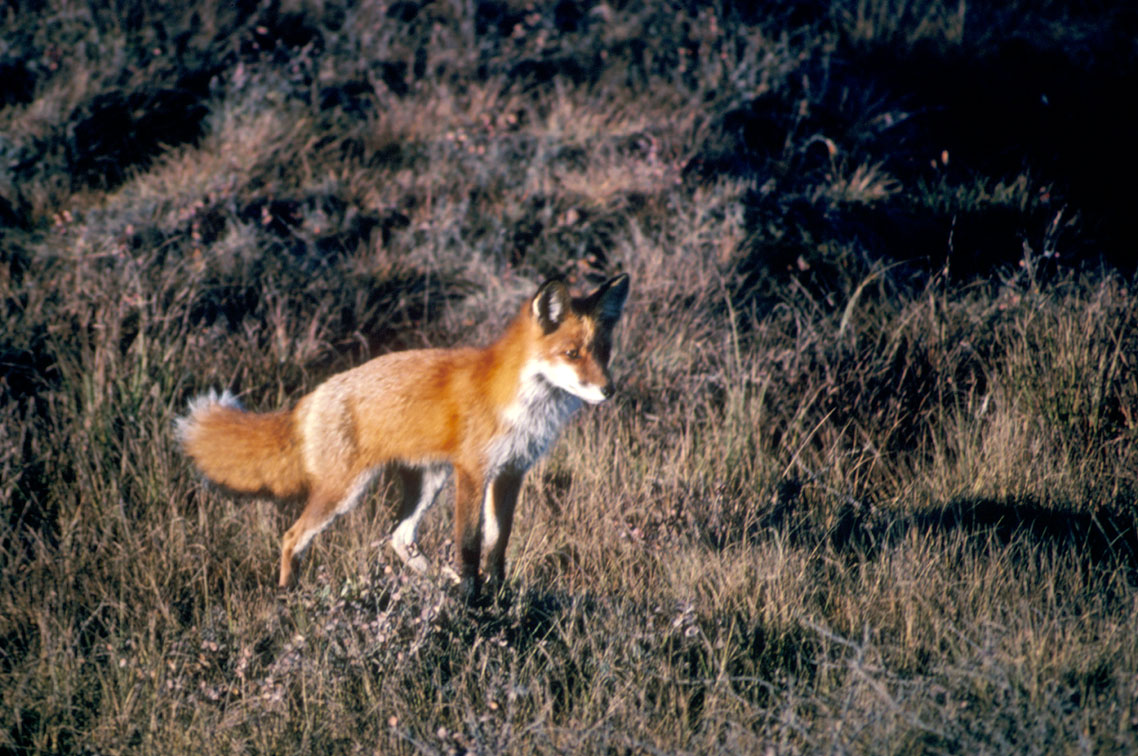
Red Fox (Vulpes vulpes)

Title: Red Fox, Alternative Title: (Vulpes vulpes), Creator: Thiele, Jim, Source: WO1524-25, Publisher: U.S. Fish and Wildlife Service, Contributor: DIVISION OF PUBLIC AFFAIRS.
Language: EN - ENGLISH, Rights: (public domain), Audience: (general), Subject: mammals, wildlife, predator, canine.

File size: 248 KB, Format: JPEG image (image/jpeg), Dimensions: Screen: 1138px x 756px, Print: 7.59 x 5.04 inches, Resolution: 150 dpi (mid, presentation quality), Depth: Full Color.

Unless otherwise indicated, resources in the Digital Library System are in the public domain. No restrictions or copyrights are placed upon these materials. You may credit the source of the resource using the information contained in the "Creator" or "Rights" field of the resource record. Download Full High Resolution Image

File size: 443 KB, Format: JPEG image (image/jpeg), Dimensions: Screen: 1897px x 1261px, Print: 7.59 x 5.04 inches, Resolution: 250 dpi, Depth: Full Color.

Generally speaking, works created by U.S. Government employees are not eligible for copyright protection in the United States. See Circular 1 "COPYRIGHT BASICS" from the U.S. Copyright Office.

Anyone incorporating a work of the U.S. Government into a copyrighted work should be aware of 17 U.S.C. § 403. This section requires a copyright notice to contain a statement identifying what portions of the work consist of a work of the U.S.Government.

The red fox prefers a habitat with a mixture of forest and open land. This native fox can be active day or night. The red fox is more common than the gray fox in this area and can be distinguished from the gray fox not only by color, but by the presence of a white tip on the end of the tail. U.S. Fish and Wildlife Service

Red Fox, From Wikipedia, the free encyclopedia

The Red Fox (Vulpes vulpes), the most familiar of the foxes, has the widest range of any terrestrial carnivore. Red Foxes have both positive and negative standing with humans, often being loved or hated with a passion. This has been most visible in the United Kingdom where fox hunting with dogs was a traditional sport, until this was made illegal on February 18, 2005.

This article is licensed under the GNU Free Documentation License. It uses material from the Wikipedia article, Red Fox.

Leave a comment, make a request, Let this small sampling be a guide to better quality, more plentiful, public domain, royalty free, copyright free, high resolution, images, stock photos, jpeg, jpg, free for commercial use, clip art, clipart, clip-art. more at and or and ot and

Monday, May 15, 2006

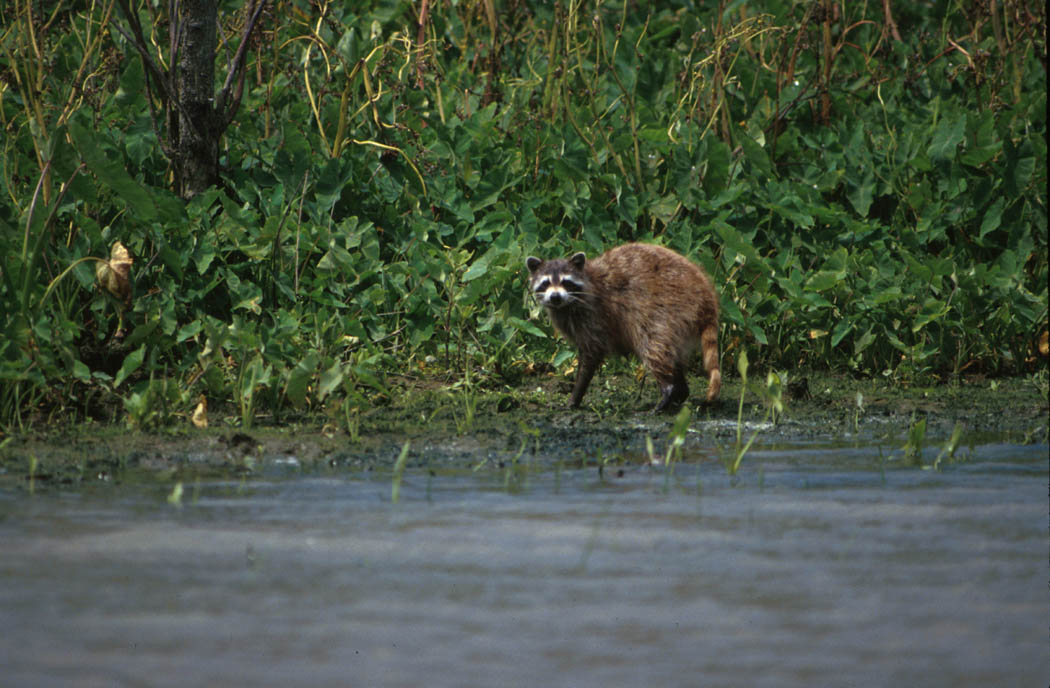
Raccoon (Procyon lotor)

Title: Raccoon, Alternative Title: (Procyon lotor), Creator: Hollingsworth, John and Karen, Source: WV10821, Publisher: (none), Contributor: NATIONAL CONSERVATION TRAINING CENTER-PUBLICATIONS AND TRAINING MATERIALS .Title: Raccoon, Alternative Title: (Procyon lotor), Creator: Hollingsworth, John and Karen, Source: WV10821, Publisher: (none), Contributor: NATIONAL CONSERVATION TRAINING CENTER-PUBLICATIONS AND TRAINING MATERIALS.
Language: EN - ENGLISH, Rights: (public domain), Audience: (general), Subject: Animals, Delta National Wildlife Refuge, Louisiana, mammals.

File size: 139 KB, Format: JPEG Image (image/pjpeg), Dimensions: Screen: 1050px x 688px, Print: 7.00 x 4.59 inches, Resolution: 150 dpi (mid, presentation quality), Depth: Full Color.

Unless otherwise indicated, resources in the Digital Library System are in the public domain. No restrictions or copyrights are placed upon these materials. You may credit the source of the resource using the information contained in the "Creator" or "Rights" field of the resource record. Download Full High Resolution Image

Generally speaking, works created by U.S. Government employees are not eligible for copyright protection in the United States. See Circular 1 "COPYRIGHT BASICS" from the U.S. Copyright Office.

Anyone incorporating a work of the U.S. Government into a copyrighted work should be aware of 17 U.S.C. § 403. This section requires a copyright notice to contain a statement identifying what portions of the work consist of a work of the U.S.Government.

Raccoon, From Wikipedia, the free encyclopedia

There are three species of raccoon. The most widespread is the common raccoon (P. lotor), which has a natural range of North America and Central America, and has been introduced to Continental Europe.

The two rarer species are the Tres Marias raccoon (P. insularis), native to the Caribbean, and the crab-eating raccoon (P. cancrivorus) of the tropics. The word "raccoon" is derived from the Algonquian word aroughcoune, "he who scratches with his hands." The genus name, Procyon, comes from the Greek for "pre-dog"; this term is also used for the star Procyon.

This article is licensed under the GNU Free Documentation License. It uses material from the Wikipedia article, Raccoon.

Leave a comment, make a request, Let this small sampling be a guide to better quality, more plentiful, public domain, royalty free, copyright free, high resolution, images, stock photos, jpeg, jpg, free for commercial use, clip art, clipart, clip-art. more at and or and ot and

Sunday, May 14, 2006

Pronghorn Antelope (Antilocapra americana)

Title: Pronghorn Antelope, Alternative Title: (Antilocapra americana), Creator: Leupold, James C. Source: WO2658-023, Publisher: U.S. Fish and Wildlife Service, Contributor: DIVISION OF PUBLIC AFFAIRS.Title: Pronghorn Antelope, Alternative Title: (Antilocapra americana), Creator: Leupold, James C. Source: WO2658-023, Publisher: U.S. Fish and Wildlife Service, Contributor: DIVISION OF PUBLIC AFFAIRS.
Language: EN - ENGLISH, Rights: (public domain), Audience: (general), Subject: mammals, wildlife, buck, animals.

File size: 143 KB, Format: JPEG image (image/jpeg), Dimensions: Screen: 1050px x 704px, Print: 7.00 x 4.69 inches, Resolution: 150 dpi (mid, presentation quality), Depth: Full Color.

Unless otherwise indicated, resources in the Digital Library System are in the public domain. No restrictions or copyrights are placed upon these materials. You may credit the source of the resource using the information contained in the "Creator" or "Rights" field of the resource record. Download Full High Resolution Image

Generally speaking, works created by U.S. Government employees are not eligible for copyright protection in the United States. See Circular 1 "COPYRIGHT BASICS" from the U.S. Copyright Office.

Anyone incorporating a work of the U.S. Government into a copyrighted work should be aware of 17 U.S.C. § 403. This section requires a copyright notice to contain a statement identifying what portions of the work consist of a work of the U.S.Government.

The pronghorn has exceptionally keen vision complemented by excellent hearing and sense of smell.

Both sexes have horns, but the female's are only tiny spikes and are rarely pronged as are the twelve to eighteen-inch horns of the male. The horn is made up of two parts: a bony core covered by a black outer sheath. This sheath is made up of a stiff, hair-like substance. Pronghorns are the only animals in the world who shed their horns annually. The outer sheath of the horn falls off each fall and grows back by the following summer. Pronghorn

Leave a comment, make a request, Let this small sampling be a guide to better quality, more plentiful, public domain, royalty free, copyright free, high resolution, images, stock photos, jpeg, jpg, free for commercial use, clip art, clipart, clip-art. more at and or and ot and

Saturday, May 13, 2006

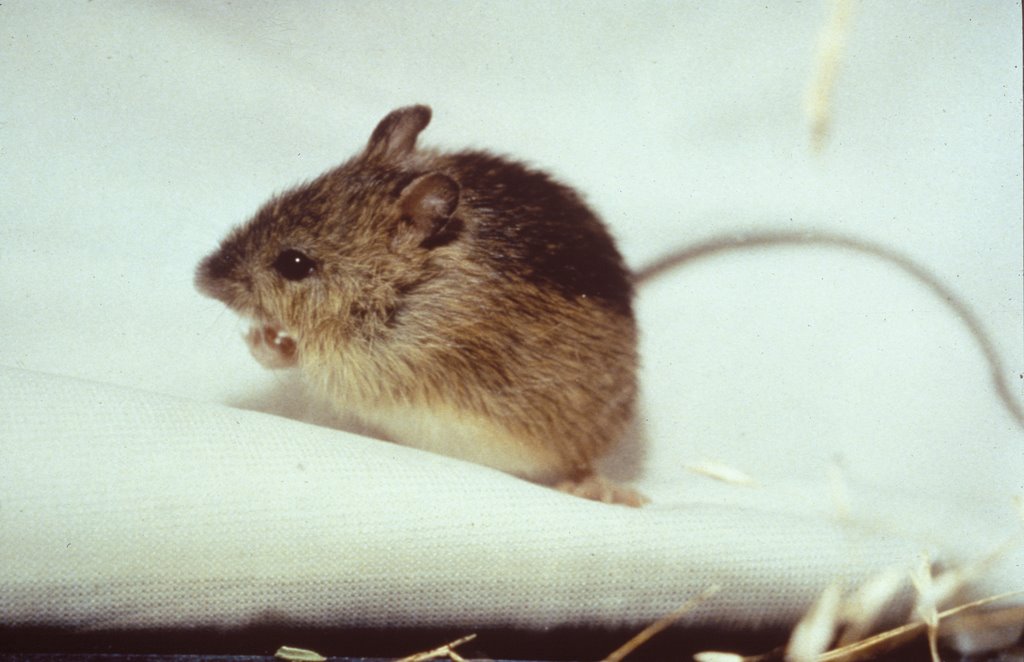
Prebles Meadow Jumping Mouse (Zapus hudsonius preblei)

Title: Prebles Meadow Jumping Mouse, Alternative Title: (Zapus hudsonius preblei), Creator: USFWS, Source: WO-8747, Publisher: USFWS, Contributor:Title: Prebles Meadow Jumping Mouse, Alternative Title: (Zapus hudsonius preblei), Creator: USFWS, Source: WO-8747, Publisher: USFWS, Contributor:
Language: EN - ENGLISH, Rights: (public domain), Audience: (general), Subject: mammals, rodent, mouse, endangered species, wildlife management, monitoring.

File size: 1.81 MB, Format: JPEG image (image/jpeg), Dimensions: Screen: 1796px x 1161px, Print: 11.97 x 7.74 inches, Resolution: 150 dpi (mid, presentation quality)
Depth: 24 color(s).

Unless otherwise indicated, resources in the Digital Library System are in the public domain. No restrictions or copyrights are placed upon these materials. You may credit the source of the resource using the information contained in the "Creator" or "Rights" field of the resource record. Download Full High Resolution Image

Generally speaking, works created by U.S. Government employees are not eligible for copyright protection in the United States. See Circular 1 "COPYRIGHT BASICS" from the U.S. Copyright Office.

Anyone incorporating a work of the U.S. Government into a copyrighted work should be aware of 17 U.S.C. § 403. This section requires a copyright notice to contain a statement identifying what portions of the work consist of a work of the U.S.Government.

The Preble's meadow jumping mouse was first listed on May 13, 1998. It is currently designated as Threatened in the Entire Range. The published range of this species includes: Colorado, Wyoming (please note, the current range of this species may be quite different from the published range). The U.S. Fish and Wildlife Service Mountain-Prairie Region (Region 6) is the lead region for this entity. Mouse, Preble's meadow jumping

Leave a comment, make a request, Let this small sampling be a guide to better quality, more plentiful, public domain, royalty free, copyright free, high resolution, images, stock photos, jpeg, jpg, free for commercial use, clip art, clipart, clip-art. more at and or and ot and

Friday, May 12, 2006

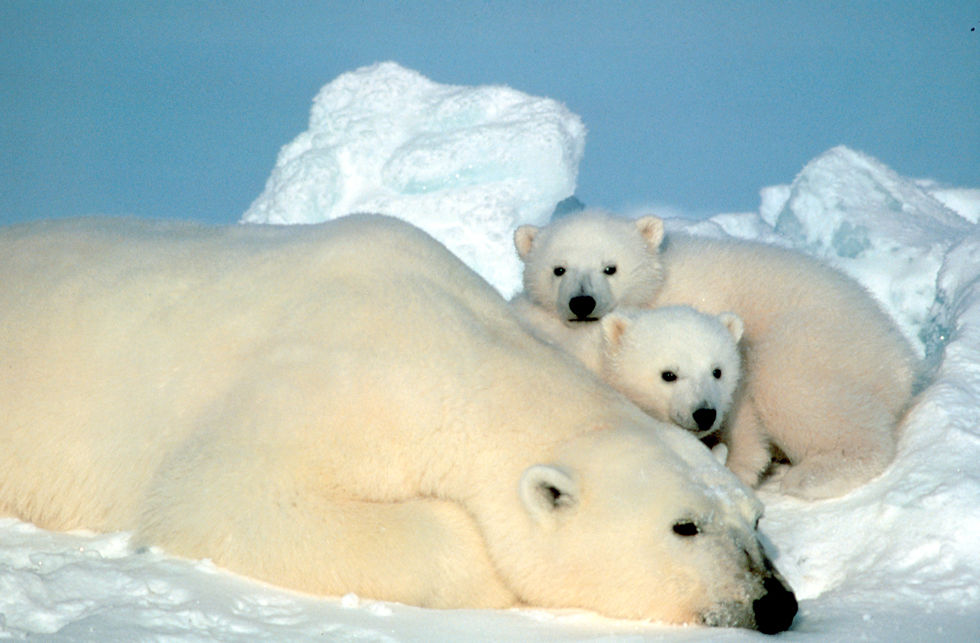
Polar Bear and Cubs (Ursus maritimus)

Title: Polar Bear and Cubs, Alternative Title: Ursus maritimus, Creator: Steve Amstrup, Source: SL-03407, Publisher: U.S. Fish and Wildlife Service, Contributor: ASSISTANT REGIONAL DIRECTOR-EXTERNAL AFFAIRS.Title: Polar Bear and Cubs, Alternative Title: Ursus maritimus, Creator: Steve Amstrup, Source: SL-03407, Publisher: U.S. Fish and Wildlife Service, Contributor: ASSISTANT REGIONAL DIRECTOR-EXTERNAL AFFAIRS.
Language: EN - ENGLISH, Rights: (public domain), Audience: (general), Subject: Marine Mammals.

File size: 87.6 KB, Format: JPEG image (image/jpeg), Dimensions: Screen: 980px x 643px, Print: 0.82 x 0.54 inches, Resolution: 1200 dpi, Depth: Full Color.

Unless otherwise indicated, resources in the Digital Library System are in the public domain. No restrictions or copyrights are placed upon these materials. You may credit the source of the resource using the information contained in the "Creator" or "Rights" field of the resource record. Download Full High Resolution Image

Generally speaking, works created by U.S. Government employees are not eligible for copyright protection in the United States. See Circular 1 "COPYRIGHT BASICS" from the U.S. Copyright Office.

Anyone incorporating a work of the U.S. Government into a copyrighted work should be aware of 17 U.S.C. § 403. This section requires a copyright notice to contain a statement identifying what portions of the work consist of a work of the U.S.Government.

Photo taken by Steve Amstrup on the pack ice in the Beaufort Sea.

The name Ursus maritimus means maritime bear. Their preferred habitat is the pack ice of the Arctic Ocean. The ice edge and pressure ridges where fractures and refreezing occur provide the best hunting ground. Ursus maritimus: Information

During the Ice Age, seals adapted to life in icy northern seas. Their need to breathe and reproduce at the surface put a rich year-around food resource within reach of a population of brown bears that began to live more and more out on the ice. Natural selection favored those bears best able to catch seals, and they became more thoroughly carnivorous than other bears. By 100,000 years ago they had evolved into something like the polar bear of today. Although polar and brown bears now look and act rather differently, their genetic closeness is demonstrated by matings in zoos that produce fertile offspring. Polar Bears

Leave a comment, make a request, Let this small sampling be a guide to better quality, more plentiful, public domain, royalty free, copyright free, high resolution, images, stock photos, jpeg, jpg, free for commercial use, clip art, clipart, clip-art. more at and or and ot and